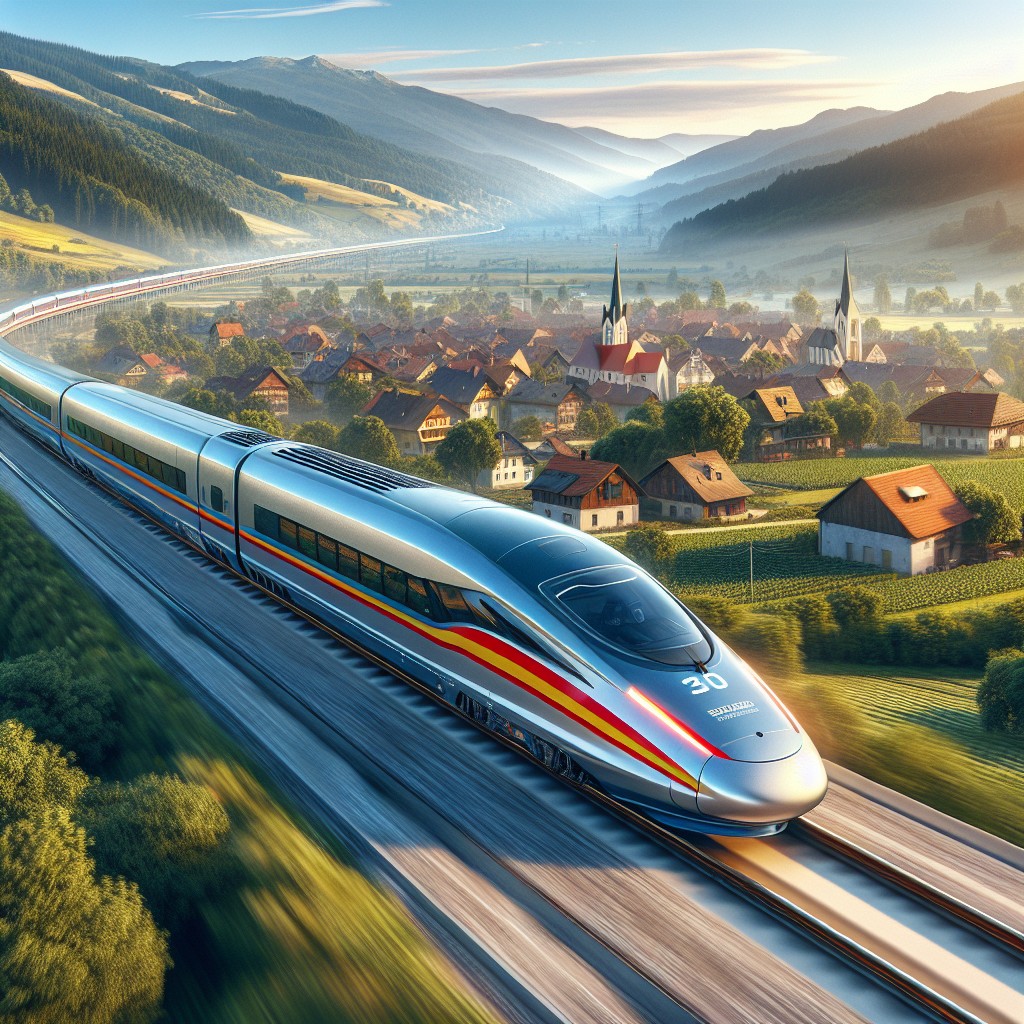
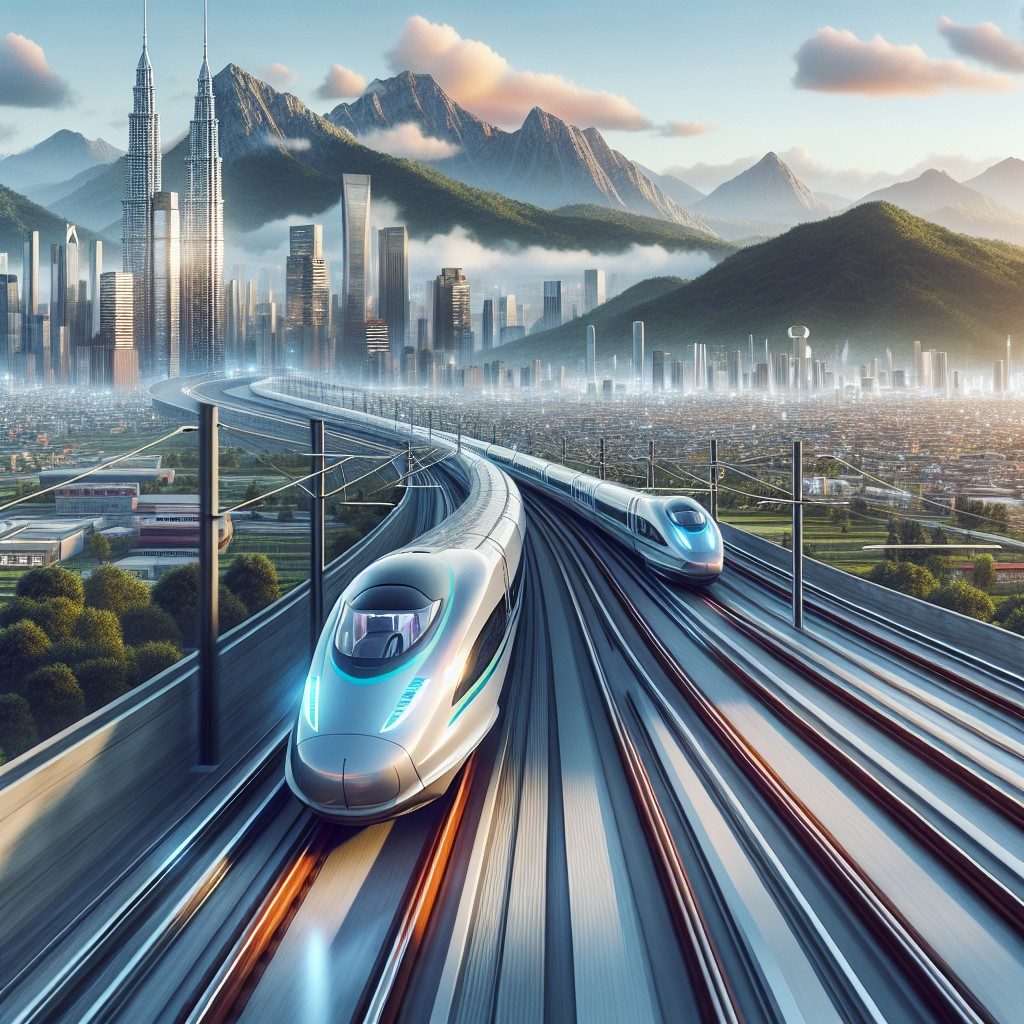
As Europe continues to develop its extensive high-speed rail network, Romania stands at a potential turning point in regional and international travel. Upgraded rail infrastructure offers the possibility of faster, more efficient connections between Romanian cities and major European hubs, reshaping travel patterns and economic interactions.
Current state of rail transport in Romania
Romania’s rail system predominantly relies on conventional rail lines with limited high-speed capabilities. Trains connecting major cities such as Bucharest, Cluj-Napoca, and Timișoara generally operate at lower speeds compared to Western European standards, resulting in longer travel duration and less competitive alternatives to air and road transport. The infrastructure is aging in many parts, hindering rapid transit and efficient scheduling.
The European high-speed rail network and Romania’s integration
Across Europe, high-speed rail corridors have dramatically shortened travel times, integrating cities economically and socially. The European Union has identified the expansion of this network as a priority, aiming to connect Eastern Europe more effectively with Western Europe. Planned projects such as the Trans-European Transport Network (TEN-T) corridors propose upgrading infrastructure to support trains traveling at speeds above 250 km/h, which is currently absent in Romanian rail routes.
Potential projects to introduce high-speed rail in Romania
Several initiatives have been proposed to bring high-speed rail technology to Romania, including the modernization of the Bucharest–Cluj-Napoca route and new lines connecting Romania with Hungary and other neighboring EU countries. These projects aim to boost travel speeds significantly, reducing journey times between key economic centers within Romania and beyond its borders. Funding from EU cohesion funds and partnerships with international stakeholders play a critical role in these developments.
Impact on travel and economy
The introduction of high-speed rail could substantially change how people and goods move in Romania. Faster rail connections would offer a competitive alternative to domestic flights and long road trips, potentially reducing road congestion and carbon emissions. Moreover, improved travel ties are expected to stimulate tourism, facilitate business travel, and encourage regional development by enhancing accessibility. The long-term economic benefits hinge on the timely implementation and integration of high-speed rail services into existing transport networks.
Challenges ahead for implementing high-speed rail in Romania
Despite the potential benefits, Romania faces several challenges in deploying high-speed rail. These include securing the considerable financial investment required, addressing technical and environmental concerns, and coordinating cross-border infrastructure development. Additionally, modernizing the existing rail network to accommodate high-speed trains necessitates careful planning and phased execution. Political will and sustained public support will be essential to overcome bureaucratic and logistical hurdles.
Conclusion: The future of Romanian travel with high-speed rail
High-speed rail represents a transformative opportunity for Romania’s transport landscape, promising faster, more sustainable travel options connected to the broader European network. While significant challenges remain, ongoing planning and investment suggest that Romania could soon experience meaningful improvements in rail travel. As projects advance, Romanian travelers may benefit from more convenient and efficient journeys, aligning with wider European mobility goals.
Frequently Asked Questions about high-speed rail
What is the definition of high-speed rail in the European context?
High-speed rail in Europe typically refers to train services operating at speeds of 250 km/h (155 mph) or more on dedicated tracks, designed to provide rapid connections between major cities.
How will high-speed rail affect travel times from Romania to Western Europe?
The introduction of high-speed rail in Romania is expected to significantly shorten travel times to Western Europe by enabling faster trains and more direct routes, improving connectivity and competitiveness with other modes of transport.
Are there any ongoing projects to build high-speed rail lines in Romania?
Yes, there are proposals and early-stage plans supported by the European Union and domestic authorities aiming to develop high-speed rail corridors within Romania and connecting it to neighboring countries, though many are still in planning or funding phases.
What economic benefits does high-speed rail bring to Romania?
High-speed rail can stimulate economic growth by boosting tourism, facilitating business travel, enhancing trade links, and supporting regional development through improved accessibility and infrastructure investments.
What challenges does Romania face in adopting high-speed rail technology?
Challenges include securing adequate funding, modernizing existing infrastructure, addressing technical and environmental issues, and ensuring cross-border coordination for seamless service integration in the high-speed rail network.