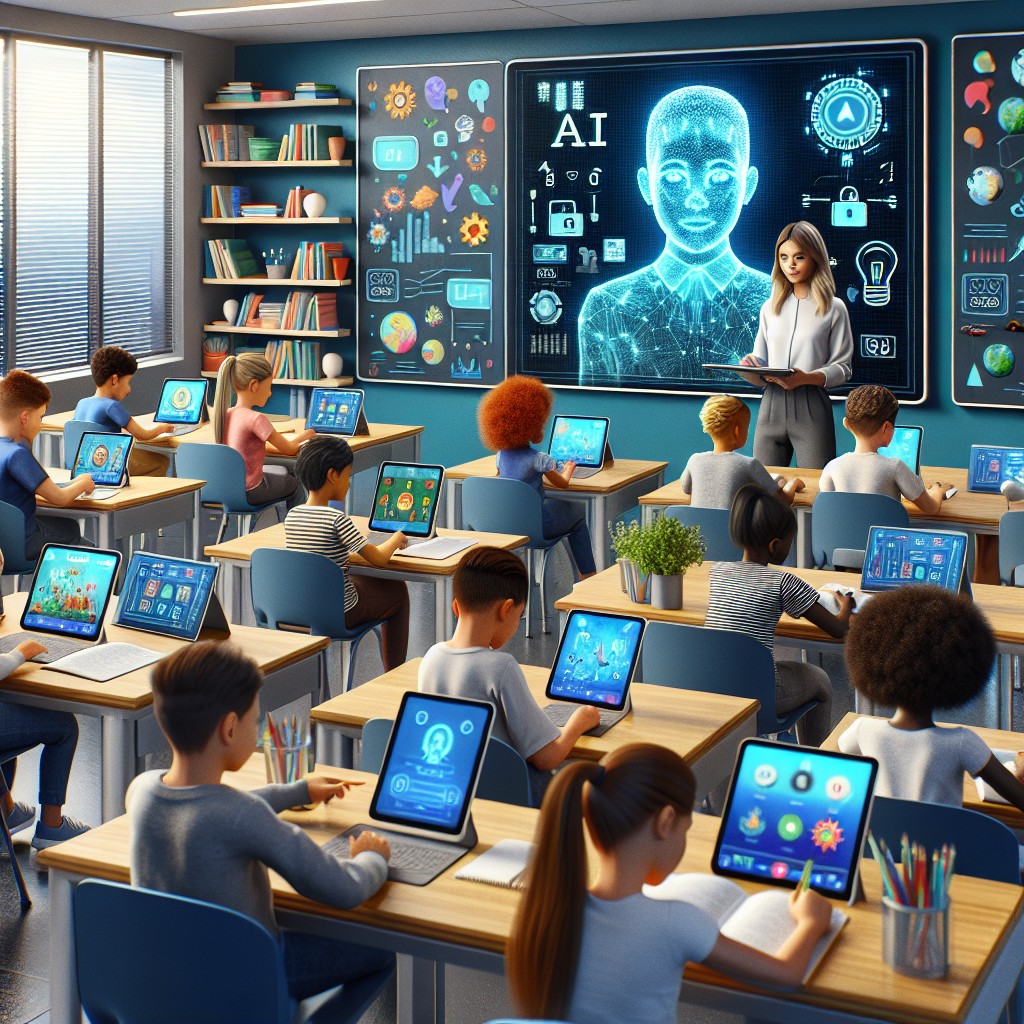
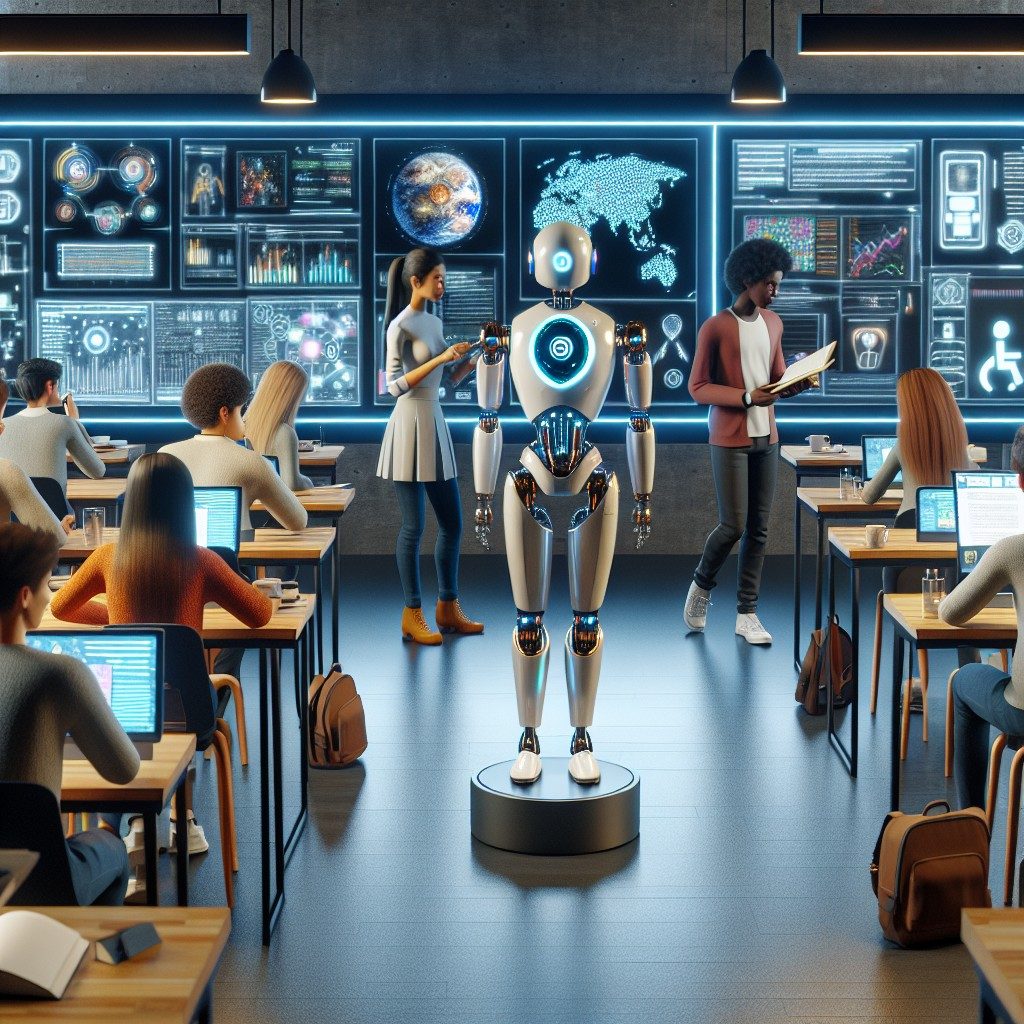
Artificial Intelligence (AI) continues to shape educational practices worldwide, with AI tutors emerging as a significant innovation in classrooms. These digital assistants provide personalized learning experiences, adapting to student needs to enhance understanding and retention. Recent studies and pilot programs highlight the specific areas where AI tutors generate the most immediate learning improvements.
Personalized Learning Drives Rapid Progress
The core advantage of AI tutors lies in their ability to tailor instruction to individual student performance. Unlike traditional classrooms where one teacher addresses many students simultaneously, AI-driven platforms analyze student responses in real time, adjusting difficulty levels and feedback accordingly. This personalization often leads to quicker concept comprehension and fewer knowledge gaps, accelerating learning gains most noticeably in subjects requiring sequential mastery, such as mathematics and language acquisition.
STEM Subjects Show the Most Noticeable Gains
Recent educational research reveals that STEM (Science, Technology, Engineering, and Mathematics) disciplines benefit significantly from AI tutor integration. In particular, classrooms utilizing AI tutors for math and science have recorded faster improvement rates in problem-solving skills and concept application compared to conventional teaching methods. The dynamic approach of AI tutors, combined with instant feedback, supports students in developing critical thinking and analytical abilities essential for STEM success.
Early Education Sees Enhanced Engagement and Results
Implementation of AI tutors in early education settings has demonstrated promising outcomes in improving literacy and numeracy skills. Younger learners interact well with intuitive AI interfaces, which use gamification and interactive exercises to maintain attention. The result is higher engagement levels and measurable progress in fundamental skills during the initial years of schooling, laying a solid foundation for future academic achievement.
Challenges and Limitations in High-Level Learning
Despite successes, the application of AI tutors in advanced or nuanced subjects presents challenges. Areas demanding creativity, critical discourse, or complex interpretation—such as literature, history, and the arts—show slower or less evident learning gains with AI tutors alone. Experts note that while AI tutors can support fact-based and skill-based learning efficiently, they are currently limited in facilitating deeper human interaction and interpretative thinking necessary for higher-level education.
The Role of Teachers Remains Central
AI tutors serve as valuable tools rather than replacements for educators. Teachers contextualize AI-generated data, provide emotional support, and guide classroom interactions beyond algorithmic capabilities. The fastest learning gains tied to AI tutors often occur when educators effectively integrate these technologies into their teaching strategies, enhancing traditional methods rather than substituting them.
As educational systems continue to experiment with AI tutors, understanding where these tools yield the most rapid and measurable benefits is crucial. Early evidence indicates substantial advancements in personalized learning, particularly within STEM subjects and early education, while highlighting the ongoing need for human involvement in complex learning domains. The evolving relationship between technology and teaching promises continued transformation in educational outcomes.
Frequently Asked Questions about AI tutors
What are AI tutors and how do they work in classrooms?
AI tutors are computer-based programs that use artificial intelligence to deliver personalized educational content by analyzing student responses and adapting lessons in real time to improve learning outcomes.
In which subjects do AI tutors show the fastest learning improvements?
AI tutors tend to have the fastest impact in STEM subjects like mathematics and science, where skill mastery and sequential learning are critical.
Can AI tutors replace human teachers in education?
AI tutors are designed to complement, not replace, human teachers by providing individualized support while educators remain essential for emotional guidance and complex instruction.
Are AI tutors effective for all age groups?
AI tutors are particularly effective in early education and middle school settings, where personalized feedback and interactive methods improve engagement and foundational skills.
What limitations do AI tutors currently have in classroom use?
AI tutors are less effective in facilitating creativity, critical thinking, and interpretative discussions, which require human interaction and nuanced understanding beyond AI capabilities.